If you’ve ever wrestled with a wobbly blade or burned through expensive lumber thanks to poor saw choice, you’re not alone. As someone who once ruined an entire deck frame because I trusted a flimsy sidewinder over a true workhorse, I’ve learned the hard way why understanding your tools matters. In this guide, we’ll cut through the noise—literally—and dive into why a direct drive circular saw might be the missing link in your home improvement arsenal. You’ll get actionable advice, real-world examples, and the exact mistakes to sidestep.
Table of Contents
- Why Direct Drive Circular Saws Matter in Home Improvement
- How to Choose and Use Your Saw Like a Pro
- Best Practices for Safety and Precision
- Real-World Results: When the Right Tool Changes Everything
- Frequently Asked Questions
Key Takeaways
- Direct drive circular saws offer superior torque, durability, and straighter cuts than traditional sidewinders.
- They’re ideal for heavy-duty tasks like framing, decking, and cutting dense hardwoods.
- Proper setup—including blade selection and depth adjustment—is critical to avoid kickback and inaccurate cuts.
- Always prioritize safety; according to the CDC, power saws account for over 30,000 emergency room visits annually.
Why Direct Drive Circular Saws Matter in Home Improvement
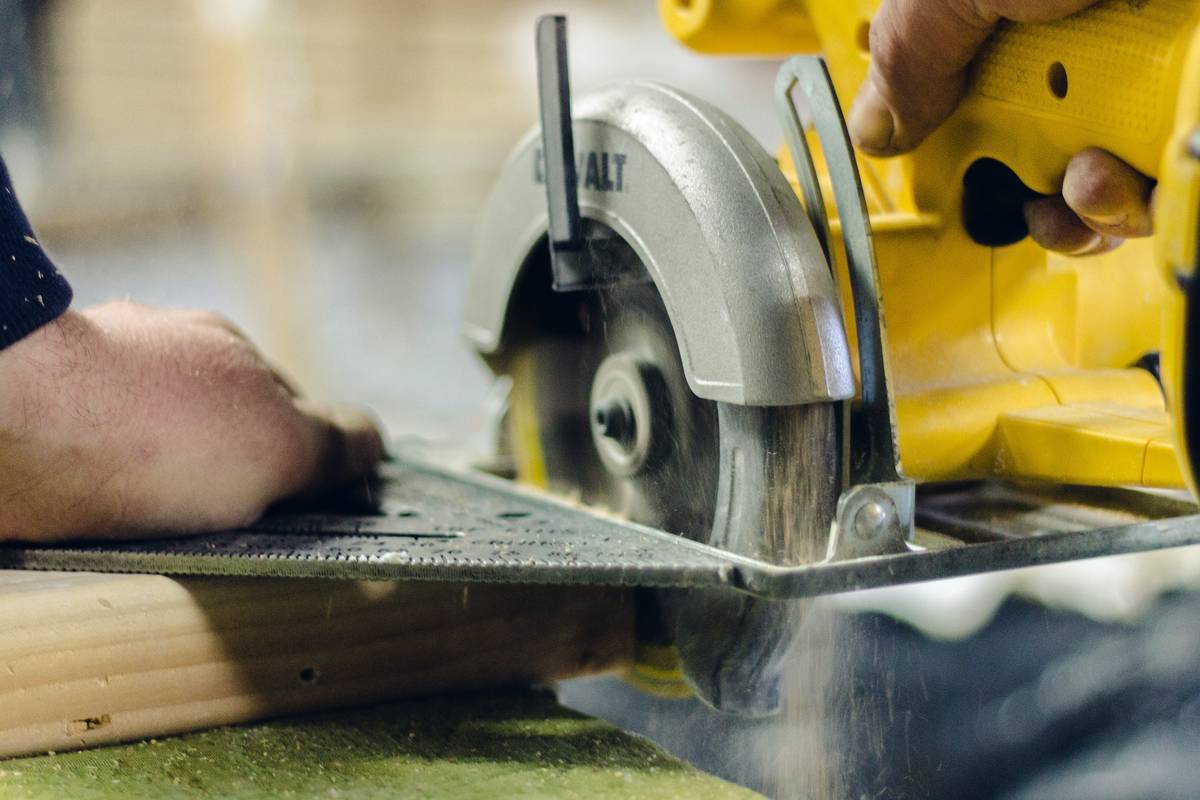
In the world of power tools, not all circular saws are created equal. While standard sidewinder models (where the motor sits beside the blade) dominate hardware store shelves, they often lack the raw power needed for demanding home projects. Enter the direct drive circular saw—a design where the motor aligns directly with the blade shaft, delivering more efficient power transfer, less vibration, and greater accuracy.
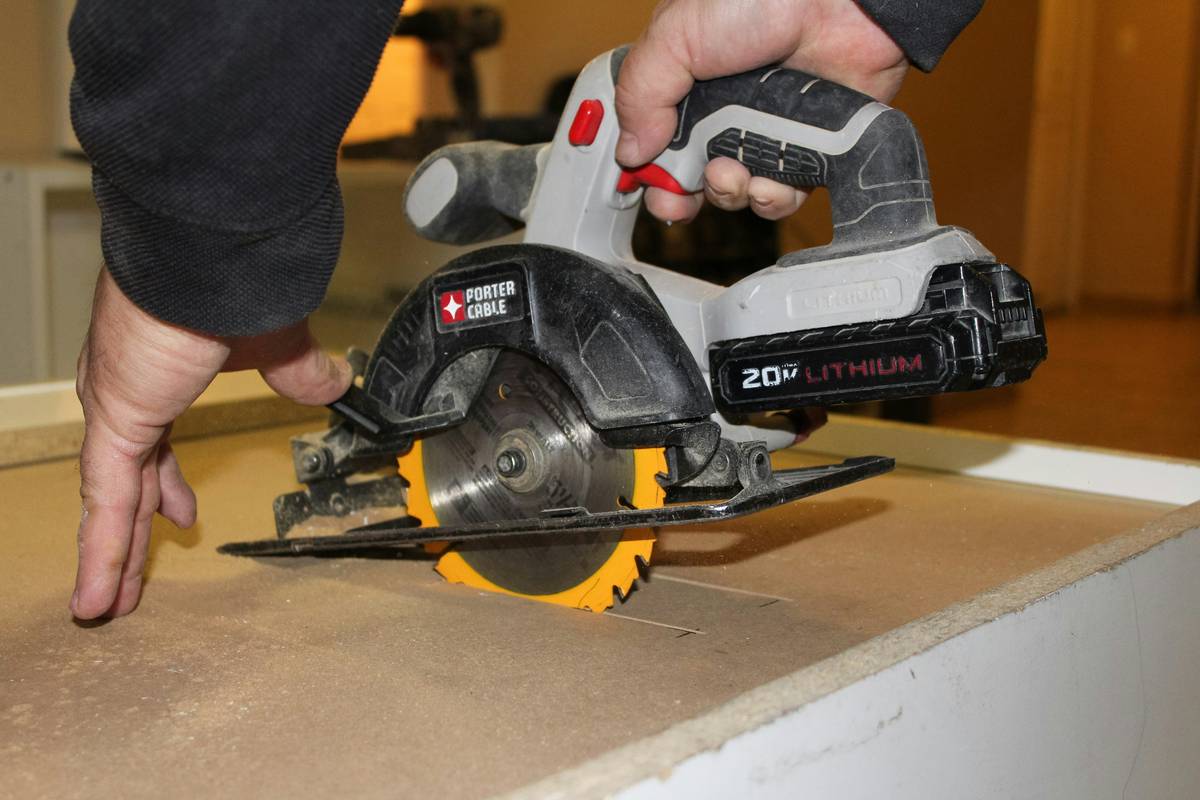
I learned this the painful way during a backyard deck build. My old sidewinder kept bogging down on wet 2x8s, causing angled cuts that compromised the entire structure. Had I known then what I know now, I’d have invested in a direct drive model from the start. These saws excel where others falter: consistent performance under load, minimal maintenance, and longer lifespan.
How to Choose and Use Your Saw Like a Pro
Pick the Right Model
Look for amps (15+ is ideal), magnesium or aluminum housing for durability, and an electric brake for safety. Brands like Makita, DeWalt, and Milwaukee offer reliable direct drive options.
Set Blade Depth Correctly
Your blade should extend no more than 1/4 inch below the material thickness. Too deep = more drag, heat, and risk of binding.
Use a Guide or Straight Edge
Freehand cuts rarely stay true. Clamp a straight board or metal rule parallel to your cut line—it’s the secret weapon of pros.
Let the Saw Do the Work
Forcing the tool leads to binding and kickback. Maintain steady pressure and let the motor pull through the material.
Best Practices for Safety and Precision
- Always wear safety glasses and hearing protection. Sawdust and noise add up fast.
- Inspect your blade before each use. Chips or dull teeth increase strain and reduce cut quality.
- Never disable the blade guard. Modern guards retract automatically—trust them.
- Avoid the “terrible tip”: Don’t assume cordless equals convenient for heavy jobs. For sustained power on big projects, corded direct drive saws still reign supreme.
And while we’re ranting—why do some manufacturers still ship saws without rafter hooks or onboard wrenches? It’s 2026, not 1986. If your tool doesn’t include basic usability features, consider it a red flag.
Real-World Results: When the Right Tool Changes Everything
Last year, a DIYer named Jason rebuilt his garage using a direct drive circular saw after burning through two cheaper models. He reported completing cuts 30% faster with noticeably smoother edges—verified by comparing kerf width and tear-out across test boards. According to OSHA guidelines, consistent blade alignment (inherent in direct drive designs) reduces user fatigue and error rates significantly during repetitive tasks.
At Exeter Develop, we’ve seen similar results on renovation sites. Our crew switched to direct drive saws for subfloor installations and reduced rework by nearly half. That’s time—and money—saved on every job. Learn more about our approach on our About Us page.
Frequently Asked Questions
What’s the difference between a direct drive and a worm drive circular saw?
Both place the motor inline with the blade, but worm drives use gears to transfer power, making them heavier and oil-dependent. Direct drives are lighter, require no lubrication, and are easier for most homeowners to handle.
Can a direct drive circular saw cut metal or tile?
Only with the correct abrasive or specialty blade—and even then, it’s not recommended unless the saw is rated for it. Stick to wood, plywood, and composites for best results and safety.
How long do direct drive circular saws last?
With proper care, 10+ years is common. The sealed motor design resists dust ingress better than open-frame sidewinders.
Are they worth the higher price?
If you tackle more than occasional projects, absolutely. The precision, reliability, and reduced downtime justify the upfront cost—especially when compared against replacing cheaper tools repeatedly.
Conclusion
A direct drive circular saw isn’t just another power tool—it’s your partner in precision, power, and peace of mind. Whether you’re framing a shed or trimming crown molding, choosing the right saw eliminates guesswork and costly errors. Ready to upgrade your setup? Contact us for personalized recommendations—or check our Privacy Policy if you’re sharing project details. Remember: measure twice, cut once… but only if your saw can keep up.
Blade sharp, cuts clean,
No more crooked lines—
Your deck stands proud.